
What Is Asbestos? A Simple Guide for Businesses and Property Owners
Asbestos is often thought of as a problem from the past. Many people assume it was banned decades ago and no longer poses a real risk. In reality, asbestos is still present in thousands of buildings across the UK, and it remains something businesses, landlords and property owners must understand and manage properly.
If you are responsible for a building, planning refurbishment work, or simply unsure whether asbestos could be present, this guide explains the basics clearly. No technical jargon, no scare tactics, just the facts you need to know in 2026.
What Is Asbestos?
Asbestos is a naturally occurring mineral that was widely used in construction throughout much of the 20th century. It was valued for being strong, fire-resistant and a good insulator.
Because of these properties, asbestos was commonly used in buildings constructed or refurbished before the year 2000. It can still be found today in many older properties, including offices, factories, schools, shops and residential buildings.
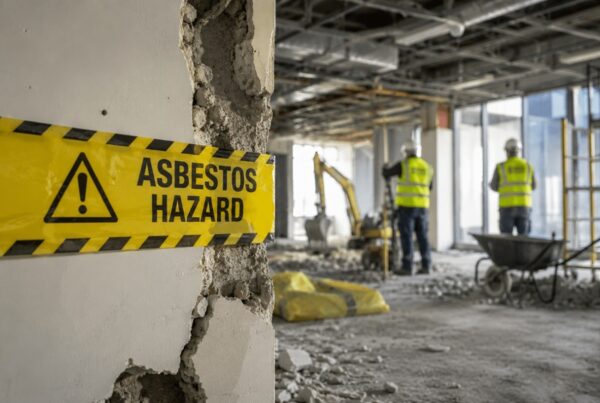
Common places asbestos may be found include roof sheets, insulation boards, pipe lagging, floor tiles, textured coatings and ceiling panels. Importantly, asbestos cannot usually be identified just by looking at it, which is why professional sampling and testing is essential.
Why Can Asbestos Be Dangerous?
Asbestos is not dangerous if it is left undisturbed and in good condition. The risk arises when asbestos-containing materials are damaged, drilled, cut or otherwise disturbed.
When this happens, tiny fibres can be released into the air. If inhaled, these fibres can lodge in the lungs and remain there for many years. Long-term exposure to asbestos fibres has been linked to serious health conditions.
This is why asbestos is managed so carefully in the UK. The focus is not on panic or unnecessary removal, but on understanding where asbestos is, what condition it is in, and how to prevent exposure.
Why Asbestos Still Matters for Businesses and Property Owners
Many people are surprised to learn that asbestos is still very much a current issue. Any non-domestic building built before 2000 has the potential to contain asbestos.
Under UK health and safety regulations, there is a legal duty to manage asbestos in non-domestic properties. This responsibility usually falls to the person or organisation in control of the building, often referred to as the duty holder.
Managing asbestos does not always mean removing it. In many cases, asbestos can remain safely in place as long as it is properly identified, monitored and managed. Problems tend to arise when asbestos is unknown, ignored or accidentally disturbed during maintenance or refurbishment work.
What Is Asbestos Sampling and Testing?
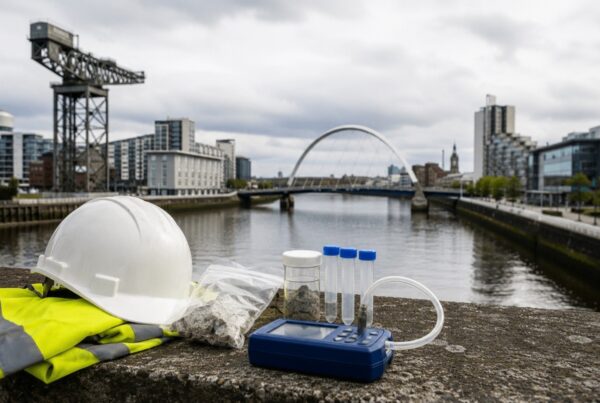
Asbestos sampling is the process of taking a small, controlled sample of a suspected material and having it tested in a specialist laboratory. This is the only reliable way to confirm whether asbestos is present.
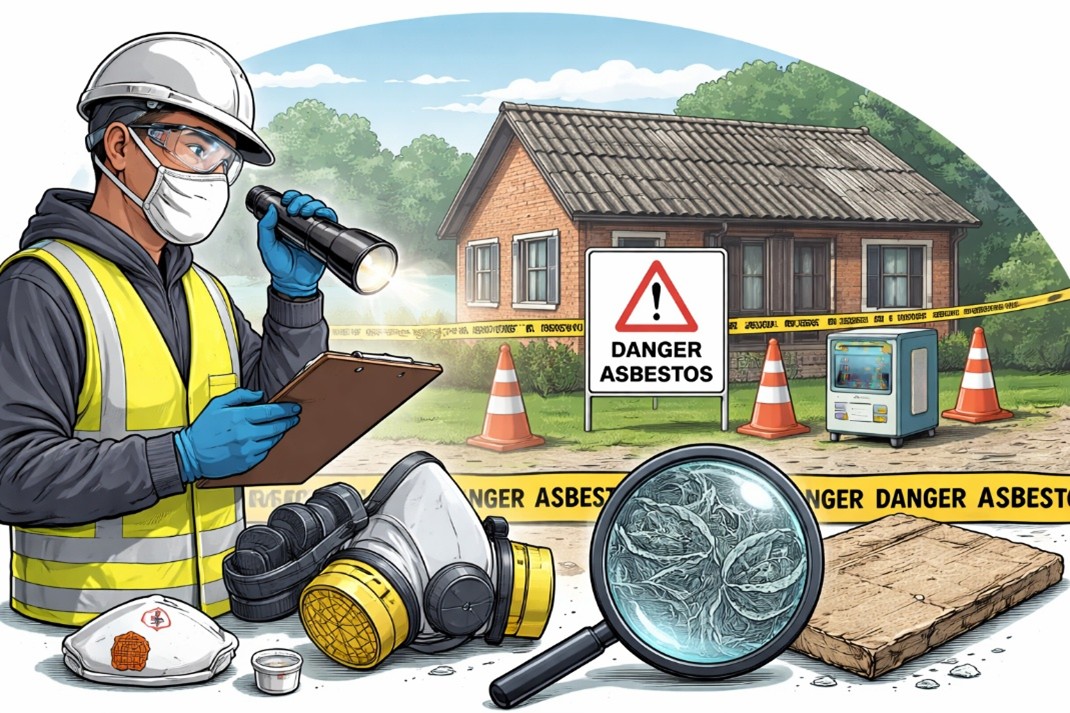
Sampling should always be carried out by trained professionals using the correct safety procedures. Attempting to take samples yourself is unsafe and can increase the risk of fibre release.
Testing allows building owners and managers to make informed decisions. Once asbestos is identified, a clear plan can be put in place to manage it safely, whether that involves monitoring, encapsulation or removal.
What Is Asbestos Monitoring?
Asbestos monitoring is an ongoing process designed to ensure asbestos-containing materials remain in a safe condition over time.
Monitoring typically involves regular inspections to check for signs of damage, wear or disturbance. This is particularly important in buildings that are still in use, where everyday activities or maintenance work could affect asbestos-containing materials.
Monitoring helps prevent small issues from becoming serious problems. It also provides reassurance that asbestos risks are being actively managed, rather than ignored.
What Is Air Monitoring and Why Is It Important?
Air monitoring, sometimes called air testing, measures the level of airborne fibres in an environment. It is commonly used during and after asbestos removal works, as well as in certain refurbishment or maintenance scenarios.
Air monitoring provides confirmation that an area is safe to re-enter and that asbestos fibres are not present at harmful levels. It is an important part of protecting workers, occupants and contractors, and it plays a key role in compliance and reassurance.
The Importance of Asbestos Awareness
Asbestos awareness is about understanding the risks and knowing how to avoid them. It is not about creating fear.
For businesses, awareness ensures that staff, contractors and managers know what asbestos is, where it might be found, and what to do if it is suspected. This knowledge helps prevent accidental disturbance and supports safer working practices.
Awareness is especially important during building works, maintenance projects and refurbishments, where asbestos is most likely to be disturbed if it has not been properly identified beforehand.
How Acron Can Help in 2026 and Beyond
Managing asbestos does not have to be complicated or stressful. With the right professional support, it becomes a structured and manageable process.
Acron Asbestos Ltd works with businesses, property owners and duty holders to provide clear, practical asbestos support. This includes asbestos surveys, sampling and testing, air monitoring, asbestos removal where required, and ongoing management advice.
The focus is always on safety, compliance and clear communication. By identifying risks early and managing them properly, businesses can protect people, meet their legal responsibilities and avoid costly disruptions.
Taking a Sensible, Informed Approach
Asbestos is not something to ignore, but it is also not something to panic about. With the right knowledge and professional guidance, asbestos can be managed safely and effectively.
If you are responsible for a building and are unsure whether asbestos may be present, seeking advice early is always the best approach. Understanding what asbestos is and how it should be monitored and managed is the first step towards protecting people and staying compliant in 2026 and beyond.
For more advice and information, get in touch with our team today.