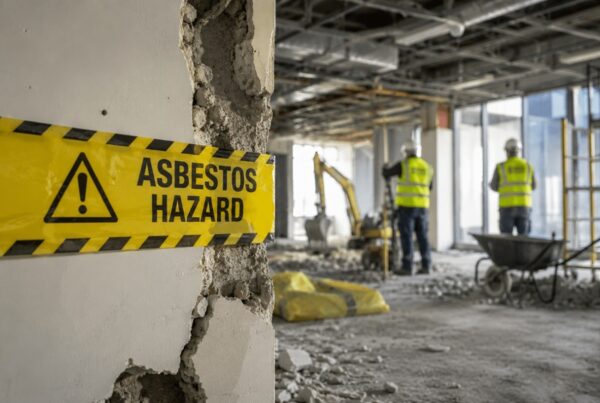



Spring Refurbishments and Asbestos Risks: What to Check Before Work Begins
Spring is one of the busiest times of year for home improvements and commercial refurbishments across the UK. Lighter evenings, better weather and a desire to refresh properties after winter all make it a popular season for building work. However, before walls are knocked through, ceilings stripped or old fittings removed, there is one critical risk that must be checked first. Asbestos.
For properties built or refurbished before the year 2000, asbestos remains a very real concern. Failing to identify it before work starts can put occupants, tradespeople and contractors at risk, while also causing costly delays once a project is underway. This guide explains what to check before spring refurbishment work begins and why professional asbestos surveys are an essential first step.
Why asbestos is still a risk in spring refurbishments
Although asbestos was fully banned in the UK in 1999, it was widely used in construction for decades before that. As a result, many homes, offices, shops and industrial buildings still contain asbestos containing materials today.
The risk increases during refurbishment because asbestos is generally safe when left undisturbed. Problems arise when materials are drilled, cut, sanded or removed. Spring refurbishments often involve exactly these activities, such as removing ceilings, altering walls, replacing flooring or upgrading heating systems.
Asbestos fibres are microscopic and invisible to the naked eye. Once released into the air, they can be inhaled and lodge in the lungs. Long term exposure is linked to serious health conditions including asbestosis, lung cancer and mesothelioma. This is why asbestos must be identified and managed before any work begins.
Which properties should be checked before refurbishment
If a property was built or altered before 2000, there is a potential asbestos risk. This applies to:
- Residential homes including houses and flats
- Commercial premises such as offices, retail units and hospitality venues
- Industrial units, warehouses and workshops
- Public buildings including schools and healthcare facilities
- Garages, outbuildings and extensions
Even properties that appear modern may contain asbestos if they were refurbished using older materials. Age alone is not enough to rule out the risk.
Common asbestos materials disturbed during spring works
Asbestos was valued for its strength, fire resistance and insulation properties. This means it can be found in many places that are commonly affected during refurbishment projects.
Textured ceiling coatings
Often found in older homes, textured coatings such as artex may contain asbestos. Removing or sanding ceilings without testing can release fibres into the air.
Asbestos insulation board
Used in walls, ceilings, partitions and fire protection panels. AIB is higher risk and easily disturbed during structural alterations.
Floor tiles and adhesives
Older vinyl tiles and the bitumen adhesive beneath them may contain asbestos. Lifting floors or replacing coverings can expose fibres.
Pipe insulation and boiler lagging
Frequently found around heating systems, especially in older properties. Refurbishments involving plumbing or boiler upgrades must account for this risk.
Cement products
Asbestos cement was used for garage roofs, soffits, flues and wall panels. While more stable, it still presents a risk if cut or broken.
Why visual checks are not enough
One of the most common mistakes property owners make is assuming they can identify asbestos by sight. In reality, asbestos containing materials often look identical to non asbestos alternatives. Even experienced tradespeople cannot reliably identify asbestos without laboratory testing.
DIY test kits may seem like a quick solution, but improper sampling can release fibres and expose occupants to unnecessary risk. Professional asbestos sampling is carried out using controlled techniques, protective equipment and UKAS accredited laboratory analysis.
The correct asbestos survey for refurbishment projects
Before any spring refurbishment work begins, the correct type of asbestos survey must be carried out. The choice depends on the nature of the planned works.
Management surveys
These are designed to identify asbestos that may be disturbed during normal occupation and routine maintenance. They are suitable for buildings that are not undergoing intrusive work.
Refurbishment and demolition surveys
These are essential before any structural alterations, refurbishments or strip out works. They involve intrusive inspection to locate asbestos within walls, ceilings and floors that will be disturbed.
For most spring refurbishments, a refurbishment survey is required. This ensures asbestos is identified before work starts, rather than discovered mid project.
Legal responsibilities for property owners and contractors
Under UK health and safety law, duty holders have a legal responsibility to manage asbestos risks. This includes landlords, commercial property owners, facilities managers and anyone responsible for maintenance or refurbishment work.
Key responsibilities include:
- Identifying asbestos before work begins
- Preventing exposure to asbestos fibres
- Providing information to contractors and trades
- Ensuring safe removal or management where required
Failing to comply can lead to enforcement action, fines, prosecution and project shutdowns.
How asbestos can delay spring refurbishment projects
Discovering asbestos after work has started often causes significant disruption. Projects may need to stop immediately while surveys are arranged, removal is planned and licensed contractors are brought in.
This can result in:
- Delays to project timelines
- Increased costs due to emergency removal
- Rebooking of trades and contractors
- Extended periods of disruption for occupants
By arranging asbestos surveys early, these issues can be avoided and refurbishment projects can proceed with confidence.
Why early surveys save time and money
Spring is a busy period for surveyors, contractors and removal specialists. Booking asbestos surveys early allows time for proper planning and avoids last minute delays.
Early surveys provide clarity on:
- Whether asbestos is present
- The condition and risk level of materials
- Whether removal is required or management is sufficient
- How asbestos affects refurbishment design and scheduling
This information allows contractors to plan safely and keeps projects running smoothly.
Why choose Acron Asbestos before refurbishment work
Acron Asbestos provides professional asbestos surveys, sampling and consultancy services for residential, commercial and industrial properties across the UK. Our experienced team understands the pressures of refurbishment projects and works closely with property owners, landlords and contractors to deliver clear, practical advice.
All surveys and sampling are carried out to current UK regulations, with laboratory testing completed by UKAS accredited facilities. Reports are clear, actionable and designed to support safe decision making before work begins.
Whether you are planning a small home renovation or a large scale commercial refurbishment this spring, early asbestos checks are essential.
Start your spring refurbishment safely
Spring refurbishment projects should be about improving your property, not dealing with unexpected risks and delays. By identifying asbestos before work begins, you protect health, avoid disruption and ensure compliance with UK regulations.
If you are planning refurbishment works and your property was built before 2000, contact Acron Asbestos to arrange a professional asbestos survey or sampling service. Taking the right steps now helps ensure your project starts safely and stays on track.